Reading EV Charger InstallersGet a quote
For Reading homeowners

Home EV Charger Installation Reading

A smart electric car charger fitted to your house, garage or a post by the drive — chosen for your car and planned around your supply, fuse board and parking.
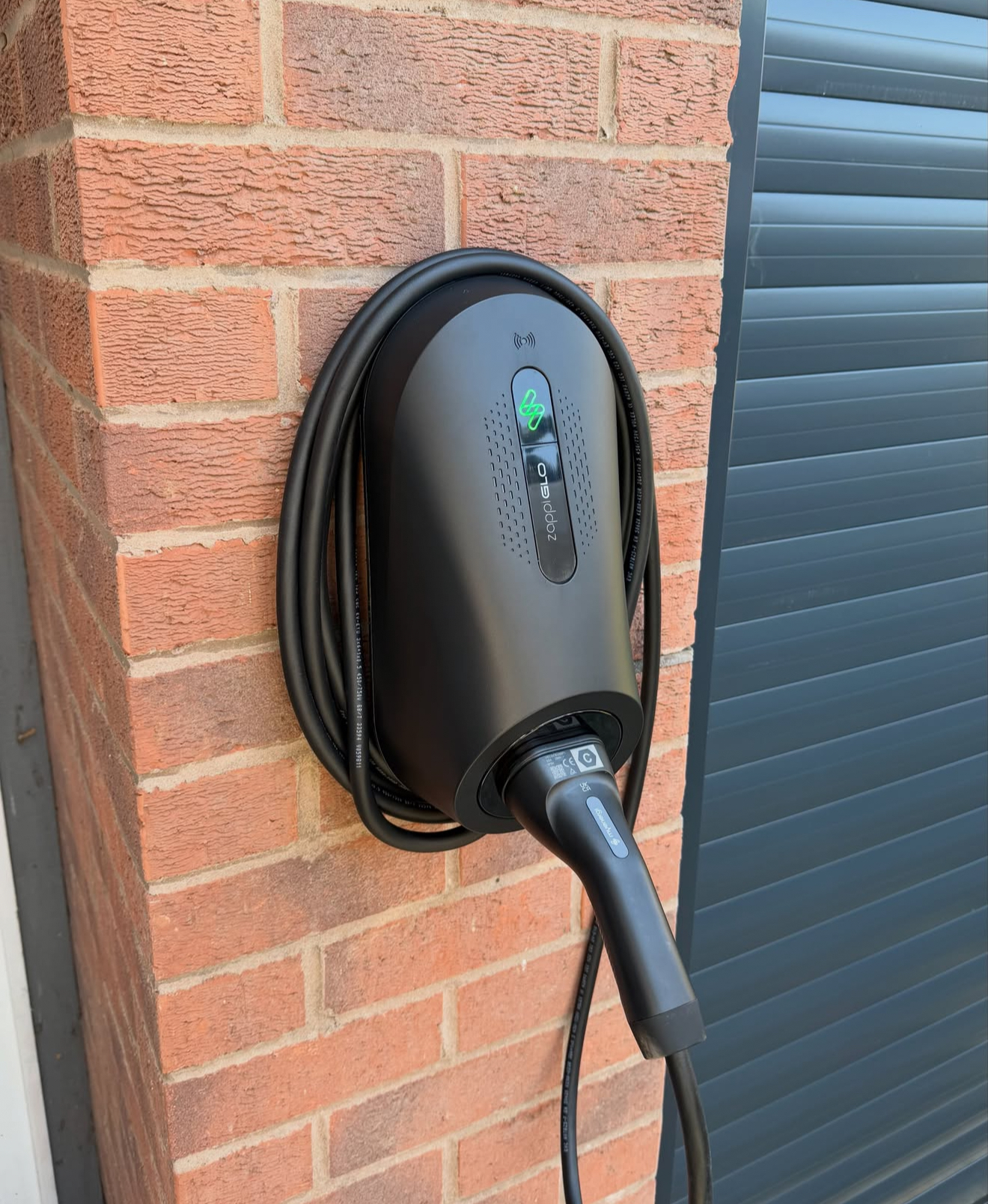
Tethered myenergi zappi home EV charger installed beside a garage door
Why a dedicated charger

Why not just use a three-pin plug?

A household socket will charge an EV, but slowly, and it was never intended to carry a heavy load for hours at a time. A dedicated wallbox runs on its own protected circuit and is designed for long, regular charging sessions.

With a smart charger you can also choose when charging runs. If your electricity tariff has a cheaper overnight rate, the charger can be set to use it — check the details with your supplier, as tariffs differ.

Overnight charging

Plug in after work and leave in the morning with the range you need.

Smart control

Set charging times and see your energy use in the app.

7kW charging

The normal maximum for a single-phase house.

What we assess

How we plan a home installation

No two houses are quite the same. Before quoting, we look at the following.

Electrical supply

Your main fuse size and how much power the house already uses, so the charger runs safely alongside everything else. Load management can be added if needed.

Consumer unit

Whether the existing fuse board has room and the right protection, or needs work.

Cable route

The tidiest workable route from the fuse board to the charger — through walls, along the outside or underground.

Charger position

Placed so the cable reaches your charging port easily without stretching across the drive.

Tethered or untethered

An attached cable for ease of use, or a socket for a cleaner look.

Connectivity

Smart features rely on decent Wi-Fi or mobile signal where the charger is mounted.

Is my home suitable?

Signs of a simple installation

If most of these apply, we can usually quote from photographs alone. Longer cable runs, detached garages, older wiring or a fuse board that needs replacing are all workable — they simply need more planning and sometimes a visit.

Either way, you will know exactly what the job involves before anything is booked.
  • A driveway, garage or other off-street parking
  • An outside wall close to where you park
  • A fuse board with spare capacity
  • A short, easy cable route
  • Wi-Fi or mobile signal at the wall

Home chargers we often fit

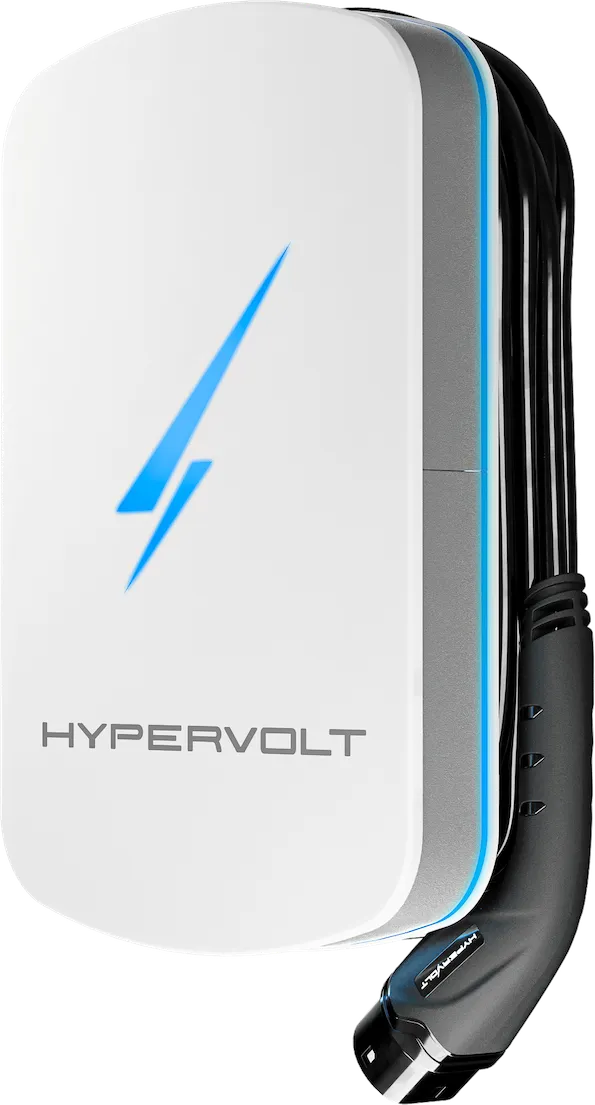
Hypervolt EV charger

Hypervolt

A popular UK-designed smart home charger with a clean, compact look and app-based control.

  • Smart app control
  • Scheduling for off-peak charging
  • Popular for driveways
Ask about this charger →
myenergi zappi EV charger

myenergi zappi

Well known among solar owners for its ability to charge from surplus solar generation as well as the grid.

  • Solar-compatible charging modes
  • Smart app control
  • Good fit for homes with solar PV
Ask about this charger →
Pod Point Solo 3 EV charger

Pod Point Solo 3

A widely recognised home charger with a rounded design and app features for managing home charging.
  • Smart app control
  • Charge scheduling
  • Familiar brand for many drivers
Ask about this charger →
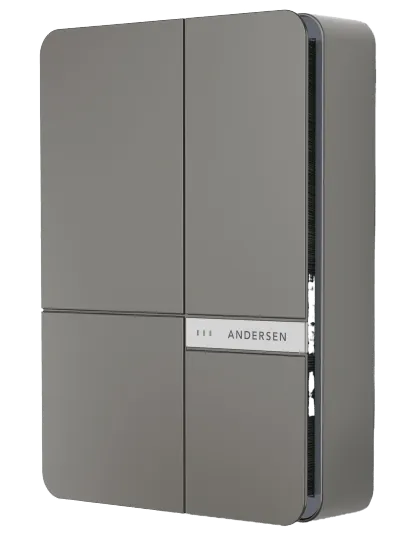
Andersen A2 EV charger

Andersen A2

A design-led charger often chosen where appearance on the front of the house matters.
  • Premium, architectural design
  • Smart app control
  • Suits period and modern homes
Ask about this charger →
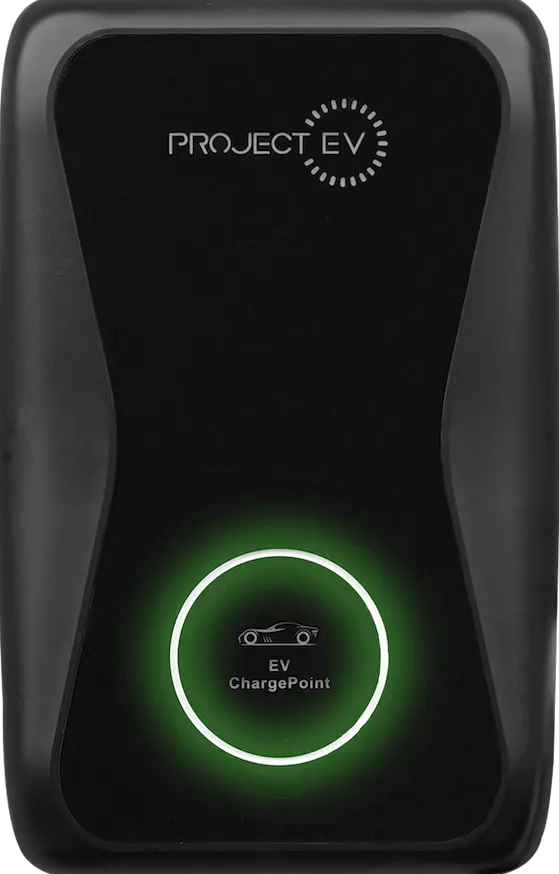
Project EV EV charger

Project EV

A practical, straightforward smart charger that suits many everyday home charging requirements.

  • Smart app control
  • Charge scheduling
  • Understated design
Ask about this charger →
Remote or on-site survey

Arrange Your EV Charger Installation Survey

For a lot of homes, some clear photos and a few details are all we need to assess the job remotely. If the cable route, electrical supply or layout of the property needs a closer look, we arrange a visit instead.

Start your EV charger survey

Helpful information to send

  • A photo of your electricity meter and main fuse
  • A photo of your consumer unit (fuse board) with the cover closed
  • Where you would like the charger positioned
  • Your driveway or parking space
  • The approximate cable route from the consumer unit to the charger
  • Your vehicle make and model
  • Your postcode (Reading or surrounding area)
Questions answered

Home EV charger installation FAQs

It depends on the charger you choose and the work your property needs — mainly the distance from your fuse board to the charger, whether the cable goes through walls or underground, and whether the consumer unit or earthing needs attention. We would rather look at your property than give a figure that may not fit, so we assess it first and then send a clear quote. Our EV charger installation cost page explains the main factors.

A straightforward home installation is normally finished in one visit. Long cable runs, groundworks or electrical upgrades can add time, and we will tell you what to expect once we have assessed your property.

Most UK homes have a single-phase supply, and 7kW is the usual maximum for home charging on that type of supply. Whether it suits your house depends on your supply and how much power you already use, which we check during the survey. Load management can be fitted where it is needed.

Not necessarily. Many fuse boards can take an EV charger circuit, but older boards, or boards with no spare space, may need changes. Photos of your consumer unit let us check this before we quote.

Usually on an outside wall of the house or garage, or on a post near where you park. The best spot balances how far the cable needs to reach your car, a sensible route from the fuse board and how the charger will look.

A tethered charger has a cable permanently attached, so you just plug it into the car. An untethered charger has a socket and you use your own cable. Tethered is quicker day to day; untethered looks neater and is more flexible if you change cars.

In most cases, yes, as long as you have somewhere to park off the road and a suitable electrical supply. We check your supply, fuse board and parking during the survey before recommending a charger.

For a home charger, you normally need a driveway, garage or other private parking space, because running a charging cable across a public pavement is not generally a safe or acceptable option. If you are unsure whether your parking is suitable, send us a photo.

Ready to talk about your EV charger?

Tell us about your car and your property and we will suggest a suitable charger and explain what the installation involves.

Get a quoteArrange a survey